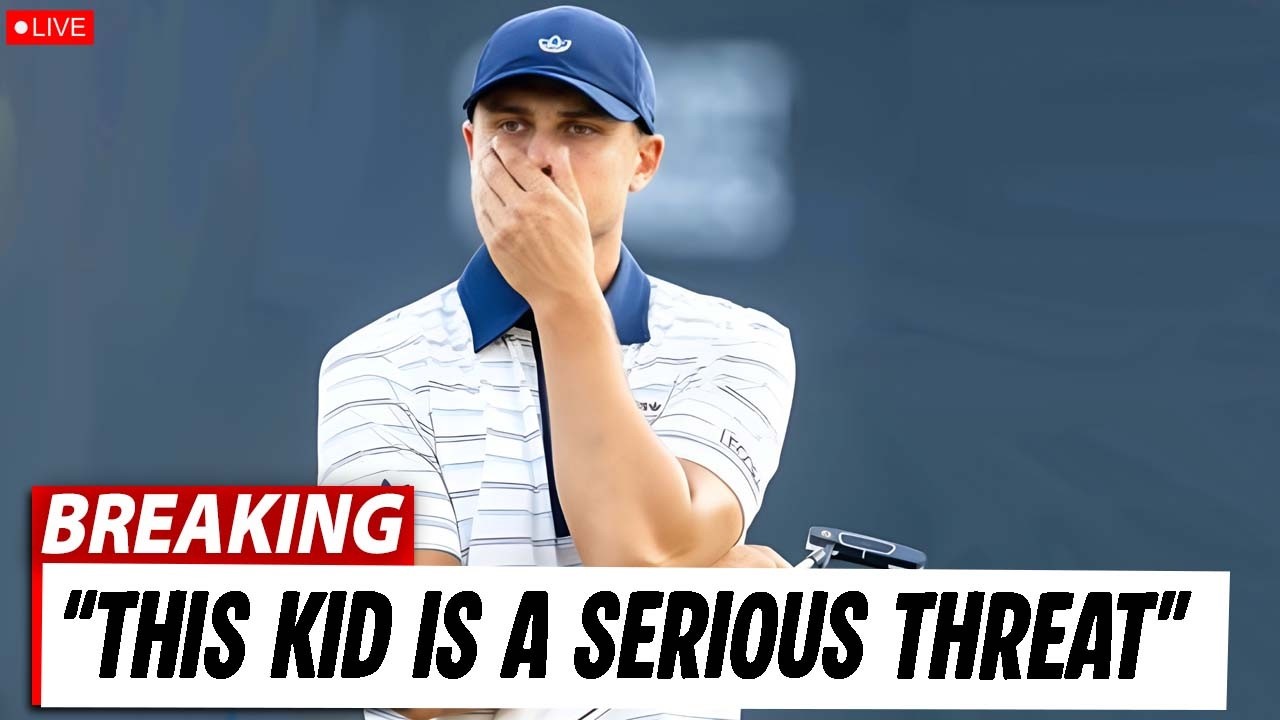
Ludvig Åberg has taken the golf world by storm, rapidly emerging as a formidable force since turning professional just months ago. His remarkable trajectory has led to his designation as a serious threat on the PGA Tour, igniting reactions across the sport as fans and experts alike grapple with his unprecedented rise.
Traditionally, golf is a sport that demands patience and perseverance. Players often endure years of challenges, setbacks, and gradual acceptance before establishing themselves as contenders. However, Åberg has shattered this mold, turning pro in June 2023 and quickly earning a spot on Team Europe for the Ryder Cup, an extraordinary feat for someone with minimal professional experience.
His immediate success is astonishing. Åberg nearly clinched victory at the Masters during his debut, finishing second and setting a record for Swedish players at the prestigious event. This performance showcased not only his talent but also his ability to remain composed under intense pressure, a quality that is paramount in professional golf.
The PGA Tour has created pathways like PGA Tour University to expedite the rise of elite talent, but Åberg has navigated this system with unprecedented ease. He has bypassed the usual learning curve, entering the professional scene with an air of confidence that belies his inexperience. This rapid ascent has left many questioning the traditional timeline of player development in golf.

The Ryder Cup selection, typically reserved for seasoned players, further solidified Åberg’s status as a rising star. His performance in the event confirmed the belief among golf insiders that he was ready for the spotlight. Instead of appearing overwhelmed, he demonstrated poise and skill, reinforcing the notion that he belongs among the sport’s elite.
His win at the Genesis Invitational in February 2025 marked a significant milestone, proving that his initial success was not a fluke. Competing against top-tier players and emerging victorious showcased his ability to handle expectations and perform under pressure, further establishing him as a legitimate threat on the PGA Tour.

Åberg’s unique blend of power and precision fits perfectly with the evolving landscape of golf. He embodies the qualities that the sport seeks in its next generation of stars—youth, skill, and a calm demeanor. His rise is not only about winning; it represents a shift in how the game is perceived and how quickly talent can emerge.
The implications of Åberg’s rapid ascent extend beyond his personal achievements. His success challenges the longstanding norms of player development in golf, creating a ripple effect that may alter how future talents are nurtured and integrated into the professional circuit. Established players may now feel the pressure of facing competition that arrives fully formed and ready to compete.

In a sport that has historically celebrated gradual progression, Åberg’s journey underscores a new reality. His ability to make the game appear more accessible and less daunting could inspire a new generation of golfers, reshaping the narrative of what it means to succeed in the sport.
As the golf community reacts to this seismic shift, one thing is clear: Ludvig Åberg is not just a rising star. He is a transformative figure whose impact on the sport will be felt for years to come, challenging perceptions and redefining the path to success in professional golf.