Texas is moving ahead with the execution of Darlie Routier, a mother convicted of stabbing her two sons to death nearly three decades ago. At 55, Routier remains on death row as pending DNA tests could profoundly impact her case. The state prepares to enforce the ultimate sentence amid continued controversy.
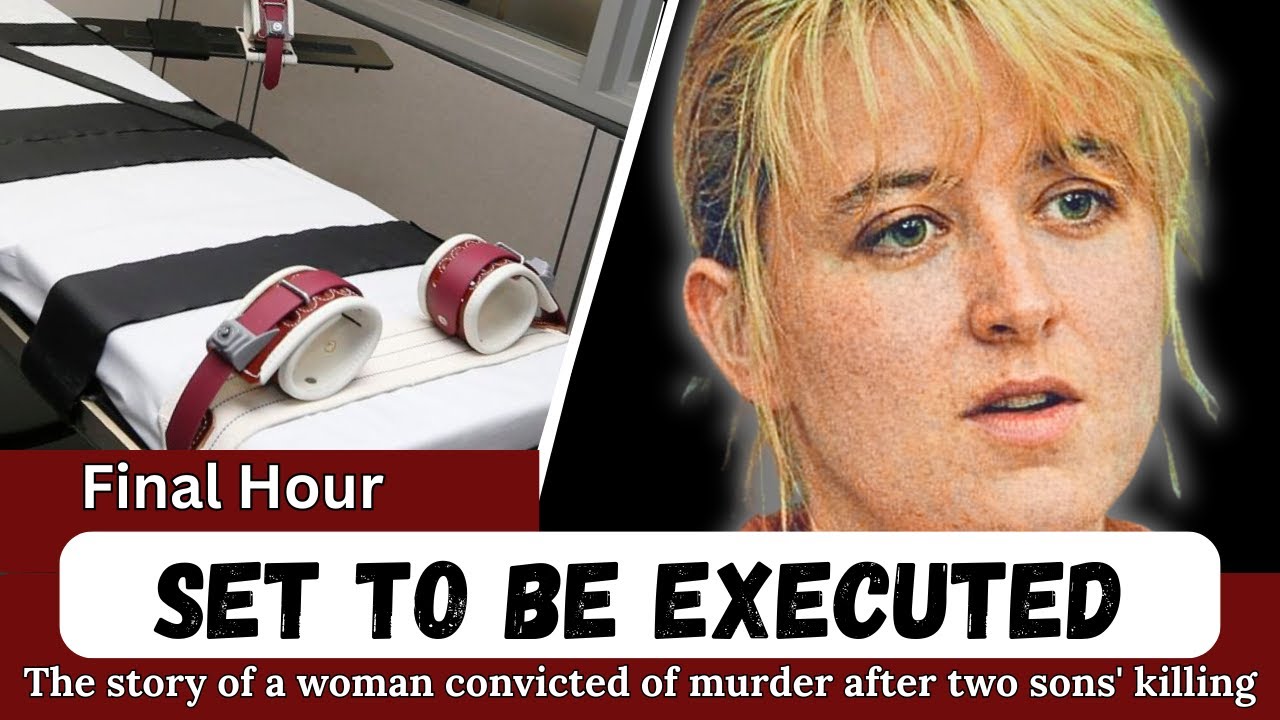 On June 6th, 1996, a chilling 911 call from Routier rocked Rowlett, Texas. Reporting an intruder attacking her children, Routier described the horror unfolding in her home. Police found her two young sons, Damon and Devon Routier, fatally stabbed. Trauma and blood stained the family living room.
Routier, wounded with a slashed throat and arms, survived the brutal attack. Initially, investigators accepted her story of a home invasion and escape by a masked assailant. However, details soon raised grave suspicions that the crime scene had been manipulated to implicate the mother.
Financial troubles shadowed the Routier family despite appearances of success. Darlie and Darren Routier enjoyed a lavish lifestyle funded by Darren’s electronics testing firm. Bills piled up, debts mounted, and rumors of insurance fraud surfaced. These elements became a cornerstone of the prosecution’s case against Darlie.
A haunting diary entry months before the murders revealed Darlie struggling with postpartum depression and dark thoughts of suicide. Prosecutors exploited this to paint a portrait of a mother on the brink, desperate and unstable. The defense argued it was a common affliction, not a sign of guilt.

The now-infamous “silly string video” captured Darlie celebrating her son Devon’s birthday at their gravesite just days after the tragedy. Her seemingly joyful demeanor shocked the public and heavily influenced jury perception. Yet behind the scenes, a private memorial and grief took place before the cameras rolled.
At trial beginning January 1997, prosecutors argued the scene was staged, presenting expert testimony on blood spatter patterns and the cut window screen. They claimed Darlie wielded the knife, murdering her children and faking a break-in. The defense countered with medical testimony supporting her account of an intruder attack.
Questions about motive and opportunity clouded the case. Life insurance policies on the boys were minimal, insufficient to justify murder financially. The youngest son, Drake, was left unharmed upstairs—an odd choice for a perpetrator seeking gain through tragedy. These inconsistencies did little to sway the trial’s outcome.
The jury convicted Routier of capital murder in a swift verdict. Sentenced to death, she became one of the few women on Texas death row. The trial’s integrity was later questioned due to numerous transcript errors and undisclosed surveillance footage showing a solemn graveside service omitted from the jury’s view.
DNA testing ordered years later remains incomplete amid bureaucratic delays. Critical evidence, including a bloody sock found far from the scene, and unidentified fingerprints with no familial match deepen the mystery. These unresolved forensic elements sustain ongoing appeals and public debate over her guilt or innocence.
Supporters argue Routier’s conviction was a miscarriage of justice fueled by media sensationalism and circumstantial evidence. Critics assert that the evidence, coupled with her behavior and contradictions during testimony, justify her sentence. The truth has been elusive, buried beneath layers of conflicting proof and legal battles.

Her ex-husband Darren Routier, now divorced yet steadfast in his belief in her innocence, continues advocating for her. He carries tattoos immortalizing their sons and Darlie’s image. Meanwhile, their surviving son Drake remains estranged, having visited his mother through prison glass since infancy.
As the state prepares to move forward with execution, the long-awaited DNA results could change everything. Pending this forensic breakthrough, debate rages—between doubt and certainty, justice and punishment. Darlie Routier’s fight for life and truth drags on, a stark reminder of the complexities within America’s death penalty system.
This case remains a poignant symbol of justice delayed and justice denied. Three decades of waiting, unanswered questions, and a mother’s unwavering claim of innocence face their ultimate test. The world watches as Texas moves closer to concluding one of its most contentious and haunting criminal cases ever recorded.
Source: YouTube