Crashes in Formula 1 have shaped the sport’s evolution, transforming tragedy into enhanced safety measures. The recent near-fatal incident involving Guanyu Zhou at the 2022 British Grand Prix underscores how past horrors have driven improvements, ensuring that every driver’s life is safeguarded through lessons learned from devastating accidents.
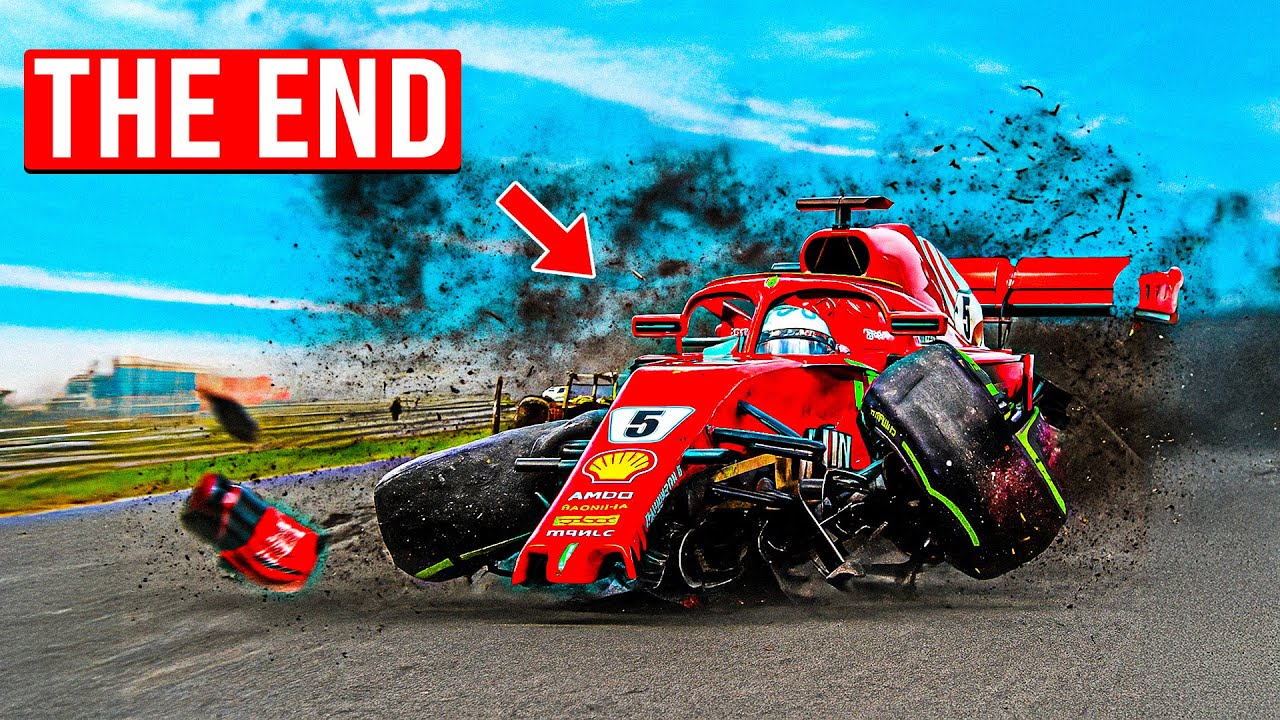
The sport of Formula 1, often described as the pinnacle of motorsport, has a history marred by tragedy. Each catastrophic crash has not only claimed lives but has also driven significant changes in safety protocols. The most recent example is Guanyu Zhou’s harrowing crash at Silverstone, where the introduction of the Halo device proved crucial in preserving life.
Zhou’s accident, which saw his car flip and collide with barriers, was a moment of collective breath-holding for fans and teams alike. The 27 seconds of uncertainty highlighted the sport’s inherent dangers. Thankfully, Zhou emerged unscathed, a testament to the advancements in safety equipment that have been developed in response to previous tragedies.
The Halo, a device initially met with skepticism, has become a symbol of survival in the face of danger. Its design was born from the tragic death of Jules Bianchi in 2015, who lost his life after crashing into a recovery vehicle under similar circumstances. His passing ignited a fierce debate about track safety and the necessity for improved driver protection.

Before Bianchi, significant accidents had already shaken the sport. The deaths of Ayrton Senna and Roland Ratzenberger during the infamous 1994 Imola weekend prompted an overhaul of safety regulations. Following their deaths, the FIA implemented stricter guidelines for circuit design, car construction, and emergency response protocols, laying the groundwork for a safer environment for drivers.
In recent years, the impact of safety innovations has been starkly illustrated. Romain Grosjean’s fiery crash in Bahrain in 2020 was another pivotal moment, as he emerged from the flames thanks to the protective measures put in place after years of advocacy for driver safety. His survival underscored the effectiveness of the Halo and reinforced the importance of continuous improvement in safety technology.

However, not every incident has had a positive outcome. The tragic loss of Antoine Hubert in 2019 during a Formula 2 race reignited discussions about circuit safety. His death forced a reevaluation of track design, particularly at notorious corners like Eau Rouge, emphasizing the need for continuous evolution in safety standards beyond just car technology.
The legacy of past tragedies remains a driving force in the ongoing quest for safety in Formula 1. Each accident serves as a grim reminder of the risks involved in high-speed racing, but they also catalyze change. The sport has learned that safety must be a priority, not an afterthought.

From Wolfgang von Trips’ fatal crash in 1961 to the recent advancements in car design and circuit safety, every incident has contributed to a culture of vigilance and improvement. The echoes of these dark moments persist, reminding us that the pursuit of speed must always be balanced with the imperative of survival.
As Formula 1 continues to evolve, the lessons learned from its darkest moments will guide future innovations. The sport’s commitment to safety ensures that while the thrill of racing remains, the lives of drivers and spectators alike are protected. Each crash has left scars, but they have also paved the way for progress, ensuring that the sport can move forward, honoring those who have sacrificed for its advancement.