The harrowing events of the 1966 Belgian Grand Prix at Spa-Francorchamps marked a pivotal moment in Formula 1 history, forever altering the sport’s approach to safety. Jackie Stewart’s near-fatal crash, compounded by inadequate medical response, ignited his relentless campaign for reforms that would save countless lives in the years to come.

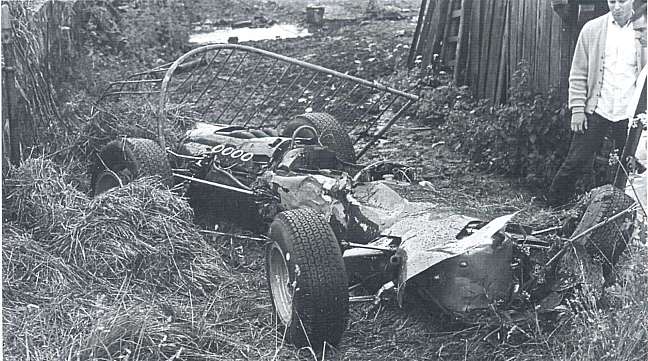
Stewart’s crash occurred during a torrential rainstorm that transformed the track into a treacherous landscape. As cars skidded off the wet surface, Stewart lost control at nearly 160 mph, leading to a catastrophic collision that left him trapped upside down in his wrecked BRM. With fuel leaking into the cockpit, he faced a terrifying reality of being a “ticking time bomb,” highlighting the dire need for improved safety measures.
The chaos surrounding the accident was exacerbated by the absence of medical personnel. It took 25 minutes for anyone to reach Stewart, a delay that underscored the negligence of the race organizers. This incident not only traumatized Stewart but also opened his eyes to the urgent necessity for change in the sport.

In the aftermath, Stewart emerged with a newfound mission: to advocate for driver safety. His push for a personal doctor at every race and a dedicated medical team reflected a fundamental shift in the culture of Formula 1. Initially met with disdain from fans and fellow drivers, Stewart’s perspective was revolutionary. The idea that safety should be prioritized over the thrill of racing was radical for an era that often viewed risk as part of the sport’s allure.
Tragedy struck again in 1968 when Stewart’s mentor, Jim Clark, was killed in a crash. This loss intensified Stewart’s resolve, as he recognized that the dangers of racing were not merely abstract; they were real and deadly. He began advocating for mandatory seat belts, full-face helmets, and track redesigns to enhance safety.

Despite his efforts, resistance remained strong. In 1969, Stewart led a boycott of the Belgian Grand Prix, forcing organizers to confront the issue of safety. His actions were groundbreaking, demonstrating that drivers could unite for a common cause, ultimately leading to significant changes in the sport.
The 1970 season brought further heartache when Stewart’s teammate, François Cevert, died in a tragic accident during qualifying. This loss was a breaking point for Stewart, prompting him to retire from racing altogether. His departure was not just a personal decision; it was a powerful statement against the sport’s culture of accepting death as an inevitability.
Stewart’s legacy is profound. His tireless advocacy for safety transformed Formula 1, leading to the implementation of life-saving measures such as crash barriers and improved medical protocols. The sport that once disregarded driver safety now owes much of its modern framework to Stewart’s relentless pursuit of reform.
Today, Jackie Stewart is celebrated not only as a three-time world champion but as a pioneering figure in motorsport safety. His influence continues to resonate, reminding us that the thrill of racing should never come at the cost of human life. The changes he championed have saved countless lives and reshaped the landscape of Formula 1, ensuring that the sport is as safe as it is exhilarating.