For decades, General Hospital has treated the WSB like a shadow—sometimes a thrilling engine for espionage, sometimes a convenient filing cabinet the show opens when it needs danger, aliases, or a clean reason for someone to disappear. It worked as long as the story didn’t ask too many questions.
This week, the questions came anyway.
And instead of wobbling, the writing did something rare and unsettling: it stopped treating the WSB like a vibe and started treating it like a machine.
The result is a fundamental shift in how the Bureau reads on-screen. The WSB no longer feels like a vague threat lurking off-camera. It now feels like a fractured institution that protects itself first—and everyone else only when it’s convenient.
What Changed This Week
-
The WSB shifted from a loose plot device into a defined institution with internal structure
-
Mentions of “higher-ups” and a “directorate” established layers of authority beyond a single director
-
The new hierarchy explains how the WSB absorbs chaos while avoiding accountability
-
Cullum backs off Jack not out of protocol, but to avoid exposing his own connections
-
Jack’s refusal to name his asset reads as survival, not bravado
-
The WSB now feels fragmented, insulated, and far more dangerous than before
A Director, a Directorate, and Too Much Darkness Upstairs
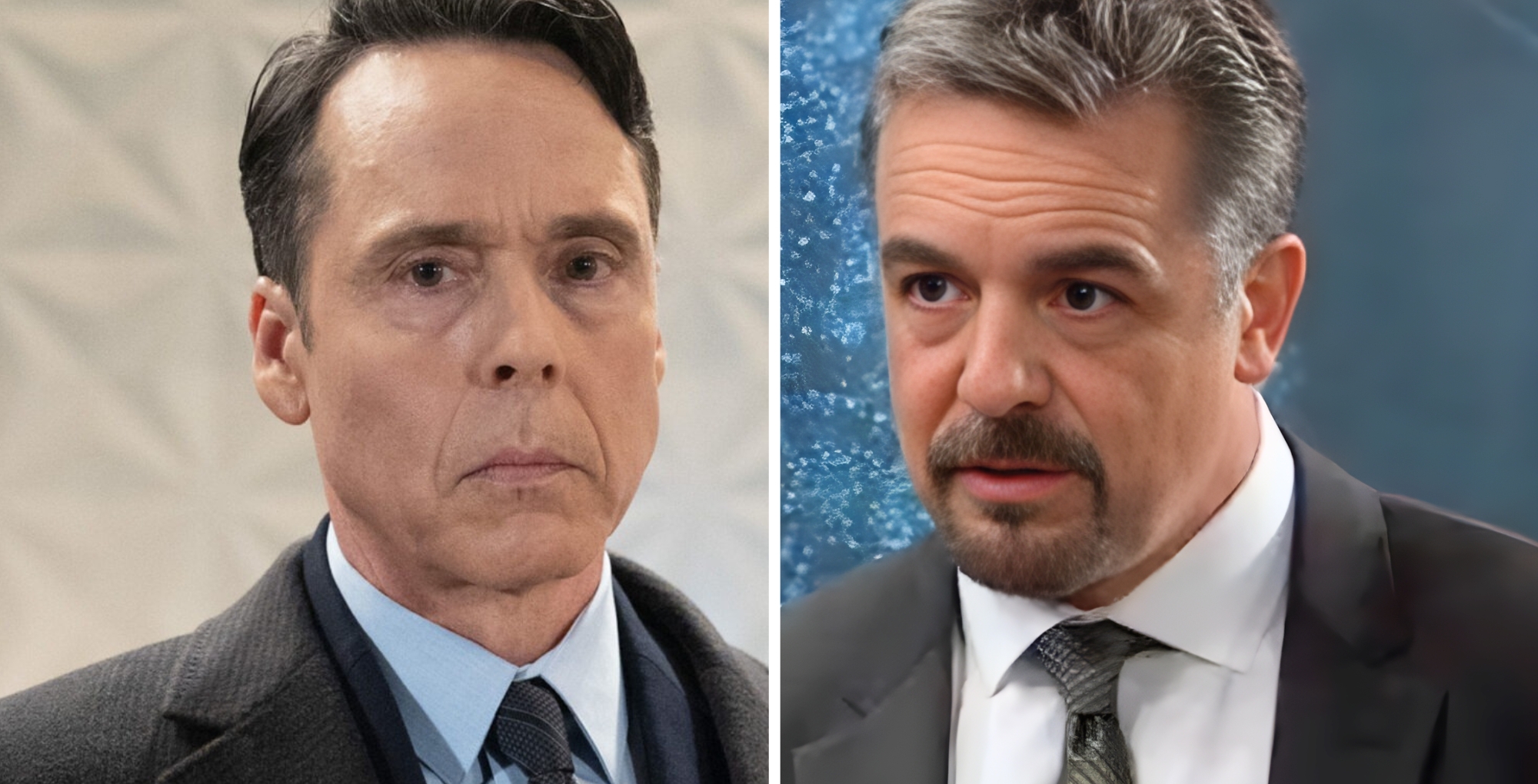
When Cullum (Andrew Hawkes) speaks to Jack (Chris McKenna), the wording matters. His reference to “higher-ups” and a “directorate” quietly redefines the WSB’s entire power structure. The chain of command no longer ends with a single director staring grimly out of an office window. There is authority above authority.
That single detail changes everything.
A directorate implies distance, insulation, and plausible deniability by design. It means decisions can be made in clusters, responsibility can be diluted, and blame can evaporate before it ever lands. Information becomes currency. Silence becomes policy.
Suddenly, the WSB’s long history of buried messes makes sense. When power is dispersed instead of centralized, accountability becomes optional. Port Charles keeps searching for the villain in the room, while the WSB operates as though the room itself is the villain.
Why Cullum Doesn’t Press Jack
Cullum backing off Jack isn’t professionalism, and it certainly isn’t respect. It’s caution.
The moment Cullum presses too hard about Jack’s asset inside Wyndemere, he risks exposing his own fingerprints—ties that already trace back to Sidwell (Carlo Rota) and the remnants of Faison’s (Anders Hove) Cold Fusion nightmare. Pushing Jack would mean showing his hand, and Cullum knows better than anyone how dangerous that would be.
Jack’s refusal to name his source doesn’t read as swagger either. It reads like scar tissue.
“Double Agent Moureaux already cost him two agents” isn’t a boast. It’s a warning. And Cullum hears it, because both men understand the same brutal truth: expose the wrong secret to the wrong person, and you don’t just lose a case—you lose people.
So Cullum pivots. He redirects Jack toward Spoon Island. He pushes Anna (Finola Hughes) back onto the board as a distraction. But even that plan collapses once Anna’s condition becomes impossible to ignore. Attention, after all, is the one thing a directorate can’t fully control once it ignites.
Why This Makes the WSB More Terrifying Than Ever
For years, the WSB functioned as an excuse—a narrative shortcut that explained danger without examining it.
This week, it became a system.
And systems are always more frightening than lone villains, because systems don’t need to be honest. They don’t feel remorse. They don’t panic when bodies fall. They simply reroute, compartmentalize, and continue operating.
The WSB no longer feels like something that might save you.
It feels like something that will survive you.