The FIA has called an emergency meeting to address critical safety concerns following a harrowing incident at Suzuka that nearly cost driver Oliver Bearman his life. With the 2026 championship on the line, the decisions made could transform the competitive landscape of Formula 1 and enhance driver safety.
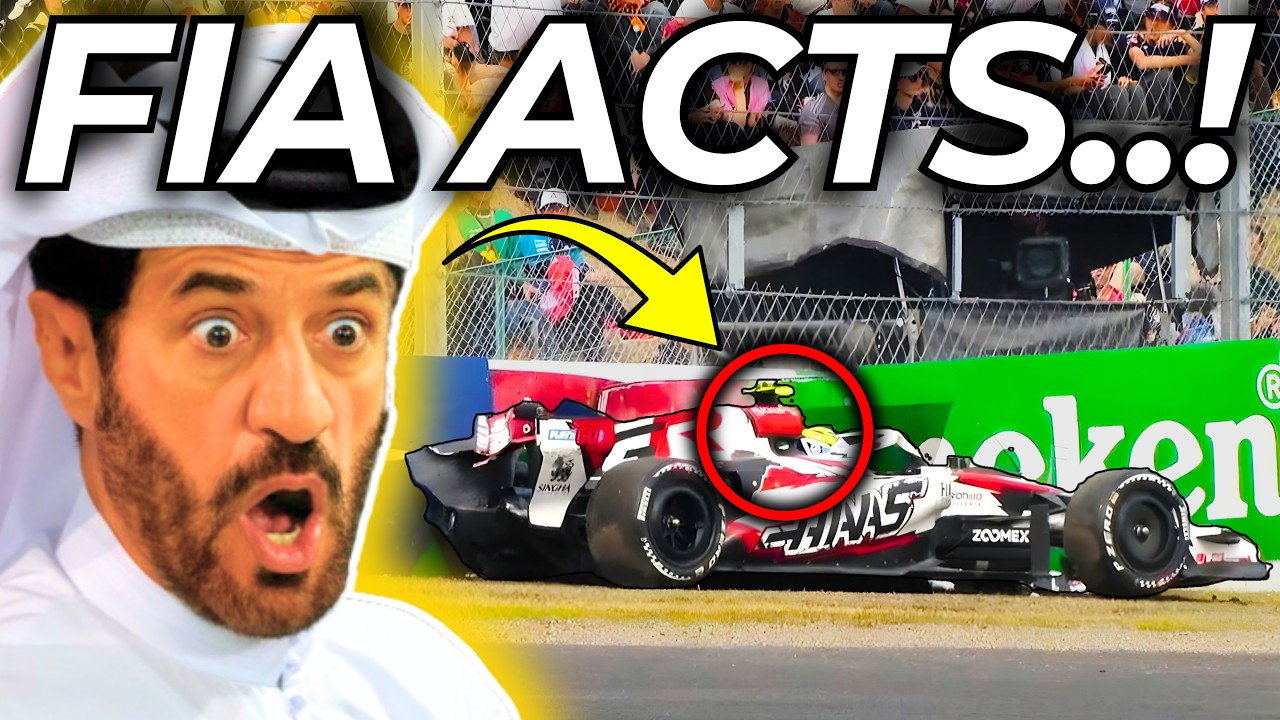
The recent crash at the Spoon Curve raised alarming questions about the closing speed differentials between cars, a situation that has been flagged by drivers since preseason testing. The incident highlighted the dangers of the current energy management regulations that allow significant speed differentials, especially when one car is harvesting energy while another is deploying it.
Carlos Sainz’s comments about the potential consequences of such incidents on street circuits like Miami, Baku, and Singapore underscore the urgency of the situation. Unlike Suzuka’s forgiving gravel trap, these circuits feature concrete walls that could lead to catastrophic outcomes in similar scenarios.

The meeting will focus on potential regulatory changes to energy management systems, specifically addressing the “super clipping” issue that contributed to Bearman’s crash. Current rules permit a maximum recovery of 250 kW while maintaining full throttle, creating dangerous scenarios when cars are in different energy phases.
Various solutions are on the table, including raising the super clipping limit to 350 kW, which could mitigate performance incentives for aggressive harvesting. Alternatively, reducing the maximum deployment output from 350 kW could stabilize the energy management landscape, although it risks disadvantaging teams like Mercedes that have optimized their systems around the existing rules.

The stakes are high, as Mercedes has dominated the season with a highly efficient energy deployment strategy. Any changes could significantly alter their competitive edge, leading to tensions among teams during negotiations. Ferrari and Red Bull also have their agendas, particularly concerning loopholes that could impact their performance.

Historically, mid-season rule changes for safety have faced resistance, as teams fear losing competitive advantages. However, the five-week break before the Miami Grand Prix presents a unique opportunity for genuine negotiation, allowing teams to discuss software-based changes without the immediate pressure of race day.
The FIA’s focus on safety over overtaking dynamics reflects a shift in priorities. While the number of overtakes has increased, the safety risks posed by closing speed differentials demand immediate attention. The upcoming decisions will not only impact the championship but also the fundamental behavior of the cars on track.
As teams prepare for Miami, the implications of the FIA’s decisions will resonate throughout the paddock. The energy management rules are set to evolve, but the question remains: will these changes be sufficient to challenge Mercedes’s dominance? The answers will emerge as the championship resumes, and the world watches closely.