Ferrari faces a seismic crisis after devastating performances at the US Grand Prix Sprint Qualifying, with star drivers Lewis Hamilton and Charles Leclerc publicly expressing shock and frustration. The Scuderia’s pace collapse and inexplicable car issues threaten its title hopes, exposing deep technical flaws and shaking team morale to its core.
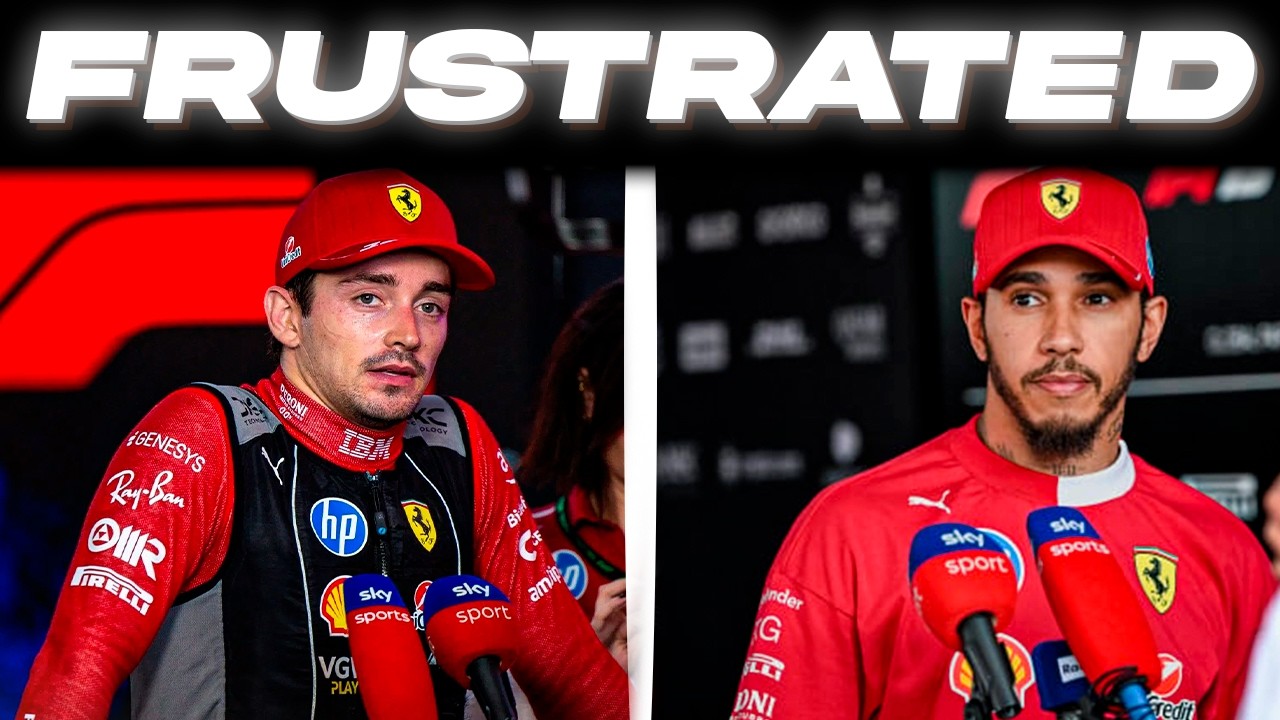 The Circuit of the Americas weekend unveiled a harsh reality for Ferrari. Expectations were high, but both Hamilton and Leclerc struggled desperately to coax performance from the SF25. From the outset, the car appeared unbalanced and inconsistent, collapsing in pace against rivals and even customer teams. This is not a minor setback—it’s a full-scale collapse.
Hamilton’s measured yet damning assessment left paddocks buzzing. “That was definitely not the pace we’re expecting,” he admitted with visible frustration. Despite promising practice sessions, the car fell away dramatically during qualifying. The legendary seven-time World Champion’s candid comments pointed to a structural failure, not a simple tactical issue.
Leclerc echoed the sentiment, highlighting the SF25’s unpredictability and difficulty to drive. His succinct admission that gaining meaningful improvements over the weekend would be “surprising” sounded like a resignation. Both drivers’ public despair signals a rare fracture in Ferrari’s usually ironclad confidence.
This performance gap is staggering. Ferrari was nearly a full second slower per lap than Max Verstappen’s dominant Red Bull. Even more shockingly, Nico Hülkenberg’s Sauber—a team with far fewer resources—surged ahead, clinching an unexpected fourth place. Such humiliation deepens the crisis and raises urgent questions about Ferrari’s technical direction.

The SF25’s operating window appears alarmingly narrow. Small variations in conditions—temperature, wind, tire compounds—send performance plunging unpredictably. This inconsistent aerodynamic behavior and poor chassis-power unit integration strip drivers of trust and strategy, turning race weekends into battles against their own machinery.
Hamilton’s detailed critique revealed a deeper malaise. A gearbox failure in free practice deprived him of vital data, making qualifying a shot in the dark. Even when executing a clean lap, he could only manage tenth place. “We are wasting time everywhere,” he said, signaling systemic technical impotence rather than isolated mishaps.
Leclerc’s frustration stems from a history of compounded setbacks—strategic blunders, mechanical failures, and now a fundamentally inferior car. The inability to understand or control the SF25’s erratic nature is wearing down his faith in solutions. His calm demeanor masks a brewing emotional storm and looming questions about his future.
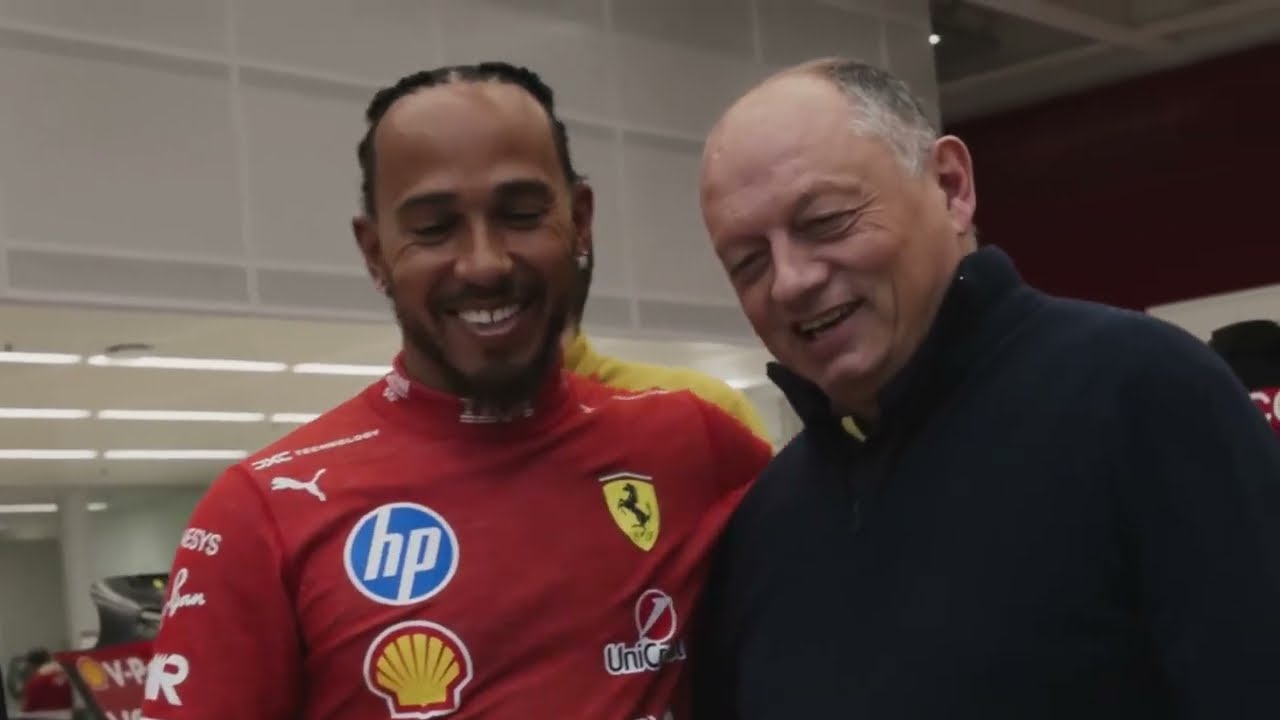
These visible cracks extend beyond car performance. Media speculation on internal turmoil is rife, with rumors about technical leadership changes and pilot transfers intensifying the pressure. This toxic atmosphere drains morale across the team, shifting focus from performance gains to damage control and survival.
Ferrari’s public stumble in Austin reveals a much broader pattern of instability and unfulfilled promises throughout the 2025 season. With rivals capitalizing, the Scuderia risks slipping from genuine title contention to mere backmarkers struggling to maintain relevance in the sport’s elite tier.
The psychological blow is profound. Once trusted champions doubt the possibility of reversal. The erosion of confidence between drivers and engineers jeopardizes future collaboration and innovation. Without decisive leadership and technical overhaul, Ferrari’s reputation—and its chances of redemption—are rapidly deteriorating.

In the ruthless arena of Formula 1, evolution is mandatory. Ferrari’s failure to adapt has 𝓮𝔁𝓹𝓸𝓼𝓮𝓭 vulnerabilities that opponents will relentlessly exploit. The urgency to respond is unprecedented; failure to do so risks the Scuderia’s legacy and the livelihoods of those still fighting within its ranks.
Austin was more than a poor race— it was a vivid expose of Ferrari’s faltering might. The SF25’s flaws are no longer hidden but laid bare to a global audience. The pressure mounts for a swift, comprehensive response before the season slips irretrievably beyond reach.
As the championship intensifies, all eyes are on Ferrari’s next moves. Can they engineer a miracle turnaround, or are we witnessing the beginning of a prolonged decline? With trust in short supply and rivals accelerating relentlessly, the stakes have never been higher for the fabled Italian giant.
The clock is ticking. Ferrari must rebuild technical faith, restore driver confidence, and reclaim its position at Formula 1’s summit. Without immediate, coordinated action, this crisis could mark a watershed moment—the day one of racing’s greatest dynasties began to unravel publicly and irreversibly.
https://www.youtube.com/embed/OiAnYOTlmJs