Mercedes is poised for significant engine upgrades that could redefine the competitive landscape of Formula 1. With the FIA and drivers aligning on critical safety and performance issues, the upcoming decisions on engine enhancements could tilt the championship in unexpected directions, raising questions about fairness and strategy among teams.
In a recent meeting, drivers, engineers, and officials addressed growing concerns about the current engine regulations for 2026. While the cars are fast, they lack the thrilling edge that fans expect from Formula 1. Drivers are forced to conserve energy rather than push for speed, leading to a racing environment that feels unnatural.
This consensus among drivers is rare in Formula 1, suggesting that something significant is on the horizon. The focus is shifting towards balancing power between traditional engines and electric energy systems. The complexity of this new era has created chaos on the track, as drivers struggle to manage energy consumption effectively.

The recent incident in Japan, where Oliver Bearman collided with a slower car due to energy discrepancies, highlighted the urgent need for change. Drivers like Max Verstappen and Carlos Sainz are vocal about their concerns, emphasizing that performance and control are at stake. George Russell has emerged as a spokesperson for the drivers, advocating for a return to pure speed without the need for energy management.
As the FIA prepares to make crucial decisions after the Miami Grand Prix, another layer of complexity arises. The ADUO system aims to help underperforming teams catch up, but it raises ethical questions about whether teams might intentionally slow down to qualify for upgrades. The implications of this system could lead to a strategic game of deception among teams.
Mercedes, currently seen as the benchmark team, stands at the center of this brewing storm. While they appear dominant, whispers suggest they may be preparing for even greater strength. The FIA’s assessment focuses solely on the internal combustion engine, potentially revealing a different picture of performance that could benefit Mercedes.
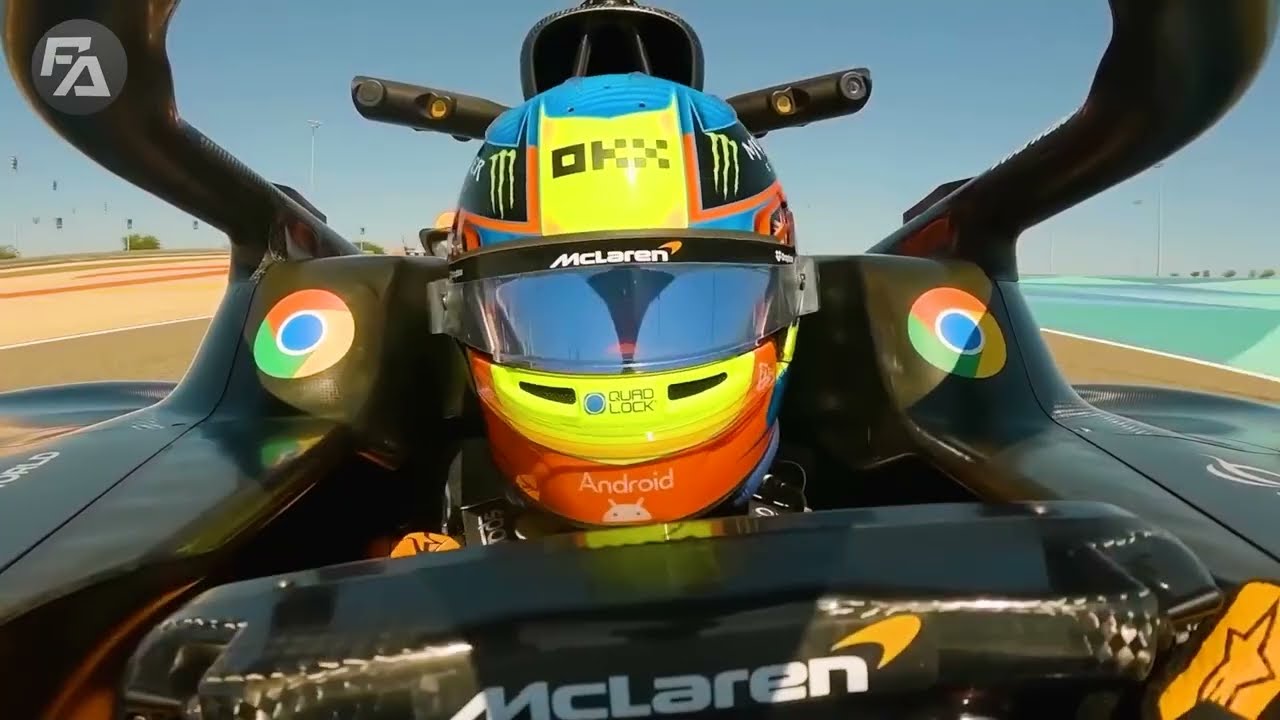
Ferrari, acknowledging their performance gap, is eager for upgrades but faces challenges due to their design philosophy. Their engine sacrifices peak power for stability, leading to questions about whether they should be rewarded for that choice. The FIA’s lack of transparency in measuring engine performance adds to the uncertainty.
As the Miami race approaches, the tension builds not just on the track but in data rooms and strategy meetings. The future of the championship hinges on the FIA’s decisions and how teams navigate the new landscape. Will Mercedes maintain their lead, or will another team seize the opportunity for a surprise resurgence?
The stakes are high, and the potential for mid-season upgrades looms large. A single decision could alter the balance of power in a way that no one can predict. With teams racing against time to maximize their performance, the real battle may be unfolding behind the scenes, shaping the narrative of this Formula 1 season.