In a seismic shift for Formula 1, Red Bull Racing and Honda officially announce their split after a historic partnership that propelled the team to world championships. This parting marks the end of a golden era while igniting a new, fiercely competitive chapter for both as the sport enters a transformative regulatory phase in 2026.
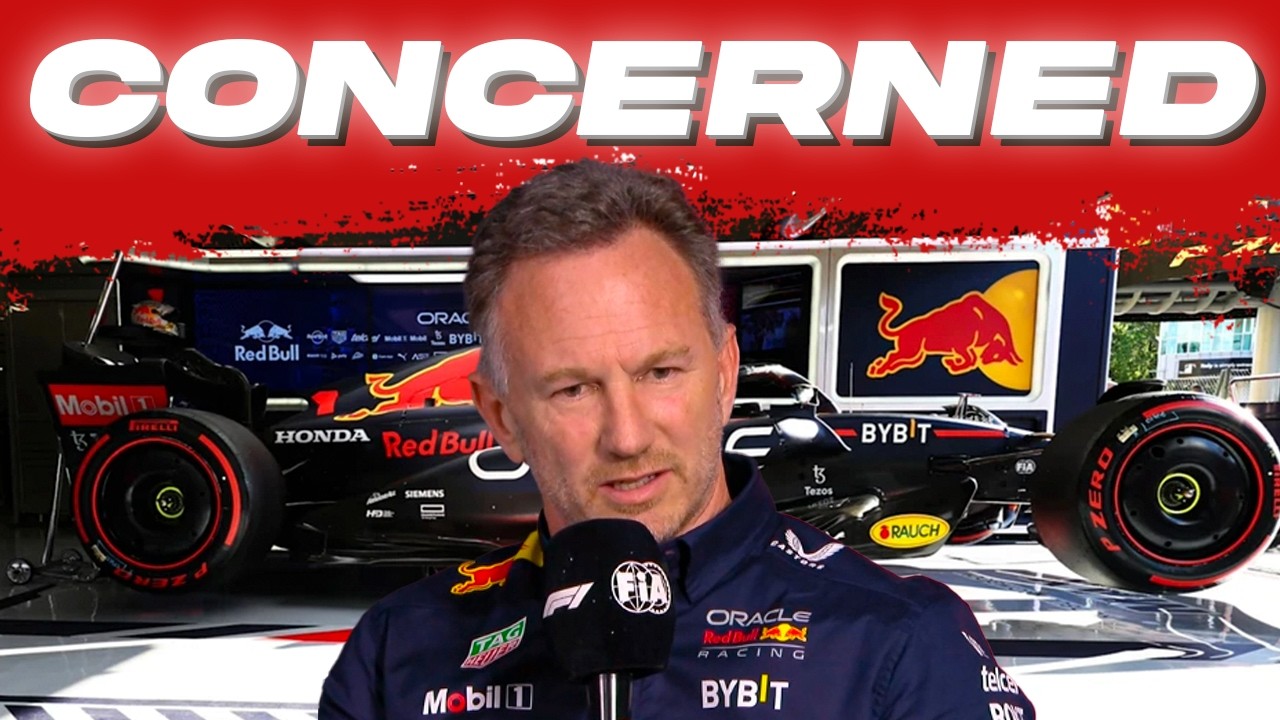 The alliance between Red Bull and Honda began in 2019, quickly evolving into one of the most successful collaborations in recent F1 history. Honda’s powerful engines were a critical factor in Red Bull’s rise from mid-field contender to dominant championship force, culminating in Max Verstappen’s 2021 Drivers’ title victory. The partnership forged a new path, blending engineering excellence with relentless ambition.
However, the landscape of Formula 1 is evolving rapidly. The introduction of sweeping 2026 engine regulations, emphasizing hybrid technology with more complex and efficient power units, has dramatically impacted team strategies and manufacturer commitments. For Honda, these regulatory demands translated into untenable financial and technical investments, prompting a strategic withdrawal from Red Bull.
Christian Horner, Red Bull Racing Team Principal, expressed the bittersweet nature of the split, acknowledging the incredible successes shared while underscoring the necessity of this step for the team’s future. “It hurts us, but it was necessary,” he commented, highlighting Red Bull’s long-term vision to control its entire powertrain development as part of an ambitious bid to maintain its dominance.
Red Bull’s response to Honda’s exit has been swift and strategic. The Austrian outfit has launched Red Bull Powertrains, a dedicated division tasked with engineering its own engines starting in the 2026 season. This move signals a bold transition from dependence on external suppliers to full technical independence—an enormous challenge given the complexity of modern F1 power units.

To bolster this transition, Red Bull has entered a high-profile partnership with Ford, leveraging their considerable motorsport legacy and engineering expertise. This alliance is designed to provide the resources and technological support essential for Red Bull to remain competitive against established powerhouses like Mercedes and Ferrari in the increasingly electrified hybrid era.
Meanwhile, Honda is redirecting its Formula 1 ambitions by partnering with Aston Martin from 2026. This new alliance aims to inject Honda’s advanced powertrain technology into a growing British team with ambitions of cracking the sport’s elite. Honda’s move reflects both a fresh beginning and a strategic repositioning within an evolving championship grid.
Despite the challenges, Horner remains optimistic about the future capabilities of both entities. He praised Honda’s resilience and expertise, confident they will deliver competitive engines at Aston Martin. At the same time, he emphasized Red Bull’s determination and innovation-driven culture that will underpin the success of their in-house powertrain project.

The technical hurdles ahead are substantial. Developing a new F1 engine within a framework that imposes stricter efficiency, compactness, and sustainability requirements demands enormous investment in innovation, infrastructure, and human capital. Red Bull’s gamble on technical sovereignty is fraught with risk but also promises greater control and agility on the track.
As Honda embarks on its journey with Aston Martin, it faces the task of adapting to a different organizational environment while meeting the sport’s challenging new standards. Past development delays highlight the complexities involved, but strong collaboration and a shared commitment to innovation may provide the synergy needed for success.
The 2025 season assumes heightened significance as the final year of the Red Bull-Honda partnership. It stands as a testament to their joint achievements and a farewell showcase of their combined engineering prowess. Fans worldwide will witness the closing chapter of a highly influential era in Formula 1 history.

This strategic divorce reshapes the competitive dynamics of Formula 1 heading into the next decade. Red Bull’s pursuit of self-reliance on powertrains could revolutionize engine manufacturing approaches, while Honda’s fresh alliance injects renewed vigor into Aston Martin’s championship aspirations.
With the future of Formula 1 poised on the edge of transformative technical regulation and restructured team alliances, the decisions by Red Bull and Honda will reverberate throughout the grid. Their evolution will be closely watched as a potential blueprint for success amid the sport’s growing complexity and rising cost pressures.
In conclusion, the Red Bull-Honda separation closes a remarkable chapter of relentless success, innovation, and championship glory. While this is an ending marked by respect and nostalgia, it simultaneously sparks multiple new beginnings destined to redefine the trajectories of both powerhouses in the fiercely competitive world of Formula 1 racing.
Source: YouTube