In a tragic turn of events at the San Marino Grand Prix in 1994, three-time world champion Ayrton Senna lost his life following a catastrophic crash. The incident, which unfolded after a weekend marred by the death of fellow driver Roland Ratzenberger, has left the motorsport community in shock and raised urgent questions about safety in Formula 1.

The events leading up to Senna’s fatal accident were marked by an atmosphere of unease and mourning. Ratzenberger’s death during qualifying on April 30 sent shockwaves through the paddock, marking the first fatality in Formula 1 since 1982. The loss of a promising driver left everyone, including Senna, grappling with the harsh realities of the sport.
Senna’s emotional state was palpable. After witnessing Ratzenberger’s crash, he sought answers from Professor Sid Watkins, head of the FIA medical team, only to receive the devastating news of Ratzenberger’s passing. This tragedy deeply affected Senna, who was already under immense pressure to perform with his new team, Williams.
Despite qualifying on pole, Senna did not attend the press conference, reflecting his shaken spirit. Instead, he engaged in discussions about safety, expressing concerns over the pace car’s effectiveness in warming tires, a critical issue that would later contribute to the chaos of the race.

On race day, as tensions mounted, Senna’s unease grew. He was aware of the risks but felt compelled to race. The competition resumed with Senna and Michael Schumacher leading the pack, but the race took a horrific turn when Senna crashed at Tamburello Corner, hitting the wall at high speed.
The immediate response was frantic; fire marshals rushed to the scene while the medical team struggled to stabilize Senna. The gravity of the situation was underscored by the silence that enveloped the paddock, as the reality of the tragedy began to sink in.

Hours later, the announcement of Senna’s death at the hospital shocked the world. The official cause was a fatal head injury caused by a suspension rod penetrating his helmet. Investigations followed, but the exact reasons behind the crash remain a subject of debate.
Senna’s death sent ripples beyond the racetrack, leading to national mourning in Brazil and a state funeral attended by over a million people. He was not merely a driver; he was a national hero whose legacy would shape the future of Formula 1.
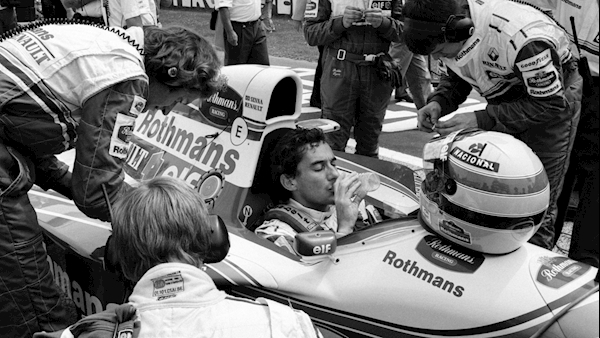
In the aftermath, the Grand Prix Drivers’ Association was re-established, spearheaded by figures like Niki Lauda, as a direct response to the urgent need for improved safety measures. Significant changes followed, including updated track layouts, reinforced barriers, and stricter safety standards, marking a new era in motorsport.
The impact of Senna’s death reverberated throughout the sport, leading to a remarkable 20-year period without fatalities in Formula 1. His legacy continues to influence safety protocols and driver welfare, reminding the world of the risks inherent in the pursuit of speed and glory.
Ayrton Senna remains an enduring symbol of excellence and tragedy in motorsport. His story serves as a poignant reminder of the sacrifices made by those who dare to race, and the ongoing need for vigilance in ensuring the safety of drivers on the track.