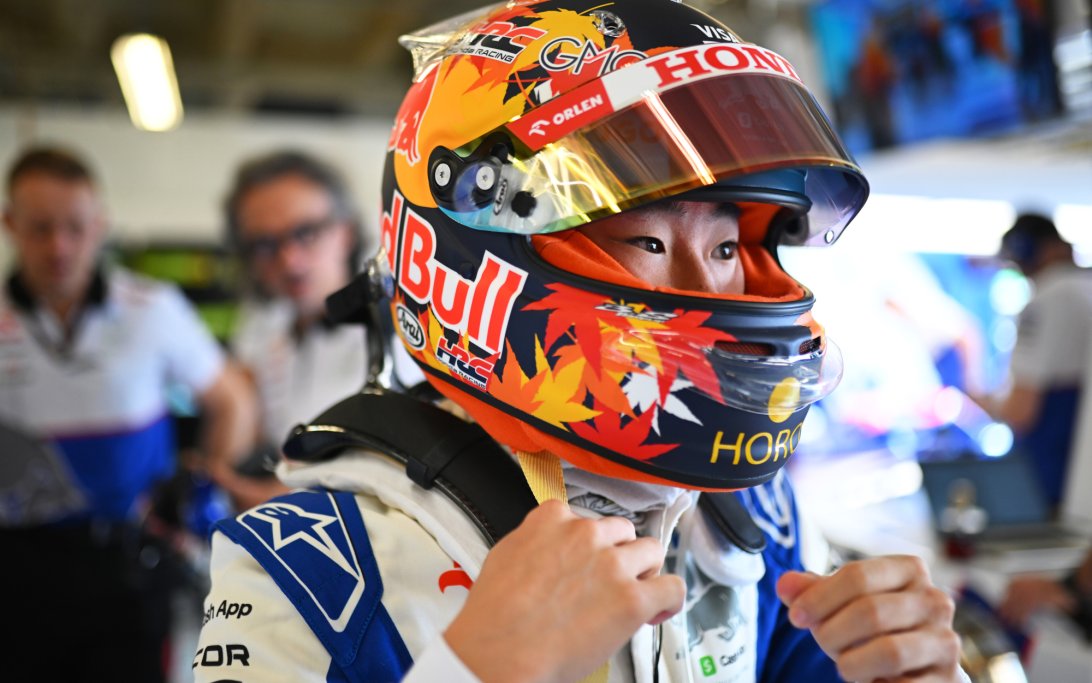
Yuki Tsunoda’s Formula 1 future hangs in the balance after Red Bull’s decision to drop him has sent shockwaves through the motorsport community. With a disappointing tenure at the main team, Tsunoda finds himself without a seat for the 2026 season.
 Despite this setback, the young Japanese driver may not be out of options. Honda’s partnership with Aston Martin starting in 2026 could pave a potential path back to the grid for Tsunoda. The question remains: can he seize this opportunity?
Tsunoda’s departure from Red Bull was anticipated. With only 30 points scored during his time with the main team, he was outperformed by both Isak Hajar and Liam Lawson from the junior team. This underwhelming performance led Red Bull to make a decisive choice regarding his future.
However, the world of Formula 1 has seen drivers rebound from worse situations. Tsunoda, still only 25, possesses speed and Honda’s backing, which could be crucial in his bid for a return. Honda’s influence as a partner with Aston Martin could provide leverage for Tsunoda’s case.
Fernando Alonso currently races for Aston Martin, but his future is uncertain. If the team provides him with a competitive car in 2026, he may choose to retire at the end of the season. Should that happen, Tsunoda could be poised to take his place.
The relationship between Honda and Aston Martin could play a pivotal role in this scenario. Honda is not merely a supplier; they have a stake in Aston Martin’s success, which could encourage them to advocate for Tsunoda’s return.
Yet, Aston Martin will not simply accept any driver suggested by Honda. They need someone who can deliver results. Tsunoda’s record at Red Bull raises questions about his ability to perform at a high level consistently.
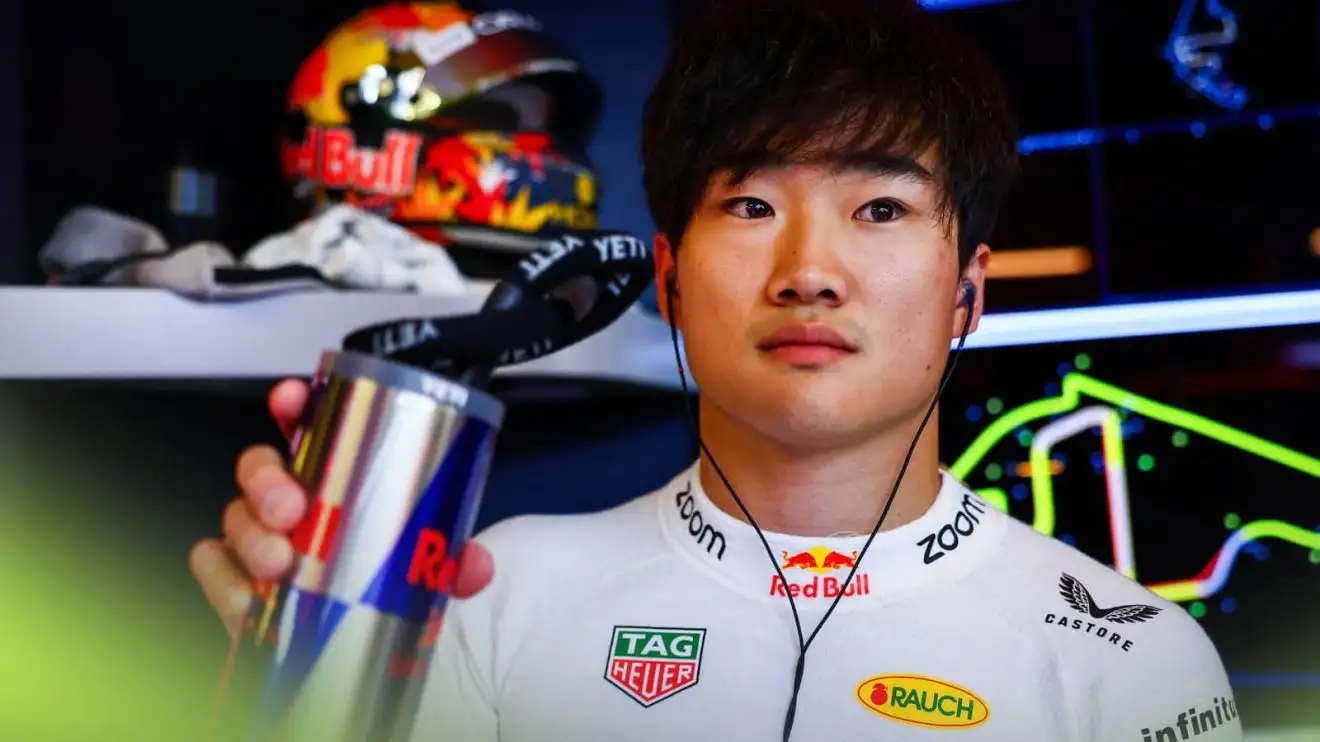
To strengthen his case for a return, Tsunoda must remain active in racing. Options include competing in Japan’s Super Formula or Super GT series, both of which would keep him in the spotlight. Success in these competitive environments would bolster his profile and provide Honda with arguments to support his return.
IndyCar also presents a viable option. With several teams utilizing Honda engines, strong performances there could keep Tsunoda’s name in the conversation for a Formula 1 seat. The urgency is palpable as time is not on Tsunoda’s side; he will be 27 by the time the 2027 season rolls around.
While age is not a disqualifier, teams generally prefer younger drivers they can develop. If Tsunoda returns at 27, he may be viewed as a short-term solution rather than a long-term investment. However, Aston Martin might prioritize immediate performance over long-term potential if they are replacing Alonso.
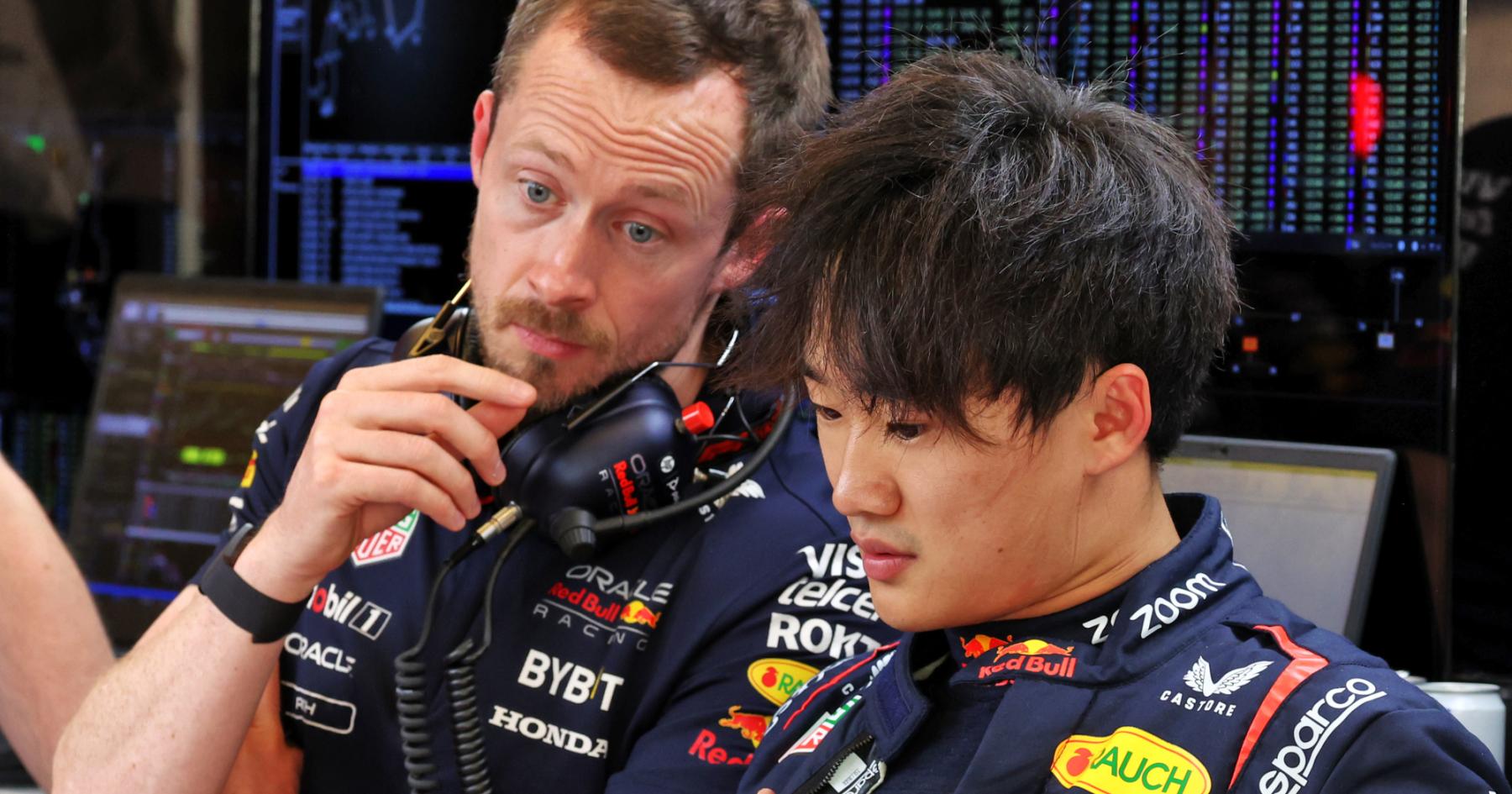
The marketing aspect also plays a significant role. Tsunoda’s popularity in Japan could enhance Honda’s brand presence in the region, making him an attractive option for Aston Martin.
Lance Stroll’s presence in the team complicates matters. As the team owner’s son, he is unlikely to be replaced, leaving only one seat available if Alonso retires. The decision needs to be strategic to ensure the team remains competitive.
Ultimately, Tsunoda’s future hinges on several factors. Alonso’s retirement, Honda’s advocacy, and Aston Martin’s willingness to consider him are all critical elements in this equation.
The narrative of revenge is compelling. Tsunoda has the potential to prove Red Bull wrong by excelling elsewhere and returning stronger. However, the landscape of Formula 1 is unpredictable, and opportunities can vanish as quickly as they arise.

For Tsunoda, the focus must be on 2026. Winning races in a competitive series is essential to staying relevant. As he navigates this challenging terrain, he must remain sharp and ready to capitalize on any opportunity that comes his way.
The Honda-Aston Martin connection offers a glimmer of hope for Tsunoda’s return to Formula 1. Whether he can grasp this chance remains to be seen, but the stakes have never been higher.